The Importance Of Repairing Subfloors Prior To The Installation Of A New Floor
Subfloor repair may be the less glamorous component of flooring installation that people don't want to talk about and that nobody wants to shell out money for. It's hard to see when the job is done in a professional manner, it's not well-photographed and it adds costs to an amount that homeowners have typically set their minds to some specific amount. However, it is, without doubt, the main factor in determining whether the floor is functioning in the way it is supposed to, or begins breaking down within the first year. The housing stock of Philadelphia such as rowhomes or twins, older colonial houses across Bucks County, Delaware County ranches with crawlspaces is especially susceptible to subfloor problems that are not noticed until the new floor is laid down and then starts to reveal the issues. This is what every homeowner needs to know prior to installation.
1. The Subfloor is the Floor is actually attached to.
This is a common sense idea, but often gets lost in the excitement of choosing materials. In the event that you decide to install nail-down flooring, glue-down LVP floating laminate or porcelain tile final surface is only as stable in comparison to the underside. A subfloor that has soft patches, bends moisture damages, or levels isn't going to disappear after new flooring is laid over itin fact, it broadcasts all issues upward, often within months. Flooring installers who are licensed evaluate the subfloor prior to looking at anything else for exactly this reason.
2. The older homes in Philadelphia have subfloor Condiments that Surprise Contractors
Homes built prior to 1960 across Philadelphia, South Jersey, and the surrounding counties usually include diagonal boards rather than plywood, which was widespread at the time but is a real hindrance for flooring installations in modern times. Subfloors made from board are more susceptible to moving, contain gaps among planks, and often require an additional layer of plywood before installing hardwood or tile is possible. Contractors that don't highlight this during an estimate either haven't considered it properly, or are trying to circumvent it by arranging their work in ways that could cause problems later.
3. Soft Spots May Be a Warning Signal, Not an Problem
A swollen spot on your subfloor - the area that gives a little when you walk on it -- is usually an indication of it's a sign of moisture damage, rot or delamination in the subfloor material itself. A new flooring installation over the soft spot won't repair the problem; it only hides it temporarily as the damage continues underneath. For hardwood flooring for Philadelphia specifically, soft spots pose a threat to the staple or nail anchor that keeps the floor attached. Floors that start lifting and squeaking or breaking away from the subfloor almost always traces back to a soft spot that wasn't addressed before installation.
4. Level Variation Affects Every Flooring Type in a Different Way
Most flooring producers specify a maximum tolerance for variation in flatness of subfloors -- usually three-quarters of an inch for the span of 10 feet. Tolerating this level of tolerance affects different substances in different ways. Tile flooring isn't the most durable: high spots scratch tiles, lower spots crack grout lines, and an uneven subfloor beneath large-format ceramic is certain to cause callbacks. LVP handles modest variation better than others, but major cracks or ridges show over time. Hardwood transmits unevenness through hollow spots, and even movement. Subfloor leveling compound or targeted grinding can be the solution and avoiding them is the issue.
5. Subfloor moisture Subfloor is a distinct problem From the Household Humidity
They are two separate issues and require separate solutions. Ambient indoor humidity affects the way wood flooring expands during the season. Subfloor moisture -that is, vapor transmission through concrete and wicking across old board subfloors, or dampness from leaks in the past directly sever glue bonds, causing floating flooring to buckle, and can encourage the growth of mold underneath completed flooring. A proper moisture reading before floor installation at Philadelphia homes should be a standard practice. For projects where it's not completed the contractor has to assume rather than understanding what's going on.
6. Concrete Slabs need to be tested for moisture before gluing-down installation
A glue-down hardwood or LVP installation on concrete is typical throughout Delaware County and South Jersey homes with slab-on-grade construction. What isn't usually communicated to homeowners is that concrete slabs release moisture vapor frequently, and the speed matters enormously for adhesive performance. A slab that passes visual inspection, but fails an calcium chloride or relative humidity test. Flooring adhesives applied to surfaces with high combustion of vapors can break the bond, sometimes within a year -- and the floor may start to shift, swell or split.
7. Subfloor Repair Costs are Impossible to Estimate Without Looking
This is the reason reliable flooring contractors won't offer you a firm all-in price through the phone. Repairs to subfloors in Philadelphia may range from a basic patch of wood for $200 up to a few dollars per square foot in an extensive area that has moisture damage. The only way you can tell you're in the right place is to have a look at the subfloor and a proper assessment. Owners who insist on a locked-in total before anyone has had a look at the subfloor, are creating the situation that either contractor will construct a large contingency or cuts corners when problems show up mid-job.
8. The Tile Installation Test is the Most Inflicting Test to determine the integrity of your subfloor
Ceramic tile and porcelain tiles have no flexibility. They transfer the stress directly to the bond beneath them. A subfloor with significant flex could crack grout and tile no matter which way the tile was installed. The most common requirement for installing tile is that the subfloor be stiff enough to be able to meet deflection standard engineers define as L/360- meaning a 10-foot span can not deflect more that 1/3 of an inch when under pressure. Older Philadelphia properties often fall short of this if they do not have reinforcement. Failures to install bathroom tiles in older homes are nearly always a subfloor stiffness issue hidden behind a wall.
9. Addressing the Subfloor Now Protects The Refinishing Value Later
One of the hardwood flooring's major benefit over time is the capability to be sanded and refinished multiple occasions over time. The advantages are lost when the subfloor beneath it has been damaged. Refinishing and sanding floors in Philadelphia requires a sturdy secure floorone that doesn't shift or flex under the sanding equipment. Subfloor issues that weren't a problem at installation become significant problems after refinishing is attempted a few months later. Making sure the floor is properly repaired from the beginning ensures that it is protected for any future service that the floor is ever going to require.
10. The Subfloor Contractors Who Discover Problems Are Those Who Are Worth Inquiring
This may be counterintuitive- nobody wants to hear that their job was just costlier before they started. But a flooring contractor who walks your space, identifies flooring issues, and adds repair as part of their plan is doing precisely the thing a professional should do. If they don't mention this, don't quote for it and begin to lay flooring on a subfloor that is damaged are the ones who generate the bad reviews a few months after. If you're receiving estimates for flooring in Philadelphia The quality of the inspection prior to the time a quote is issued contains all you need to know about the flooring installation will go. Take a look at the top
tile flooring contractors Philadelphia PA for more advice including flooring installers Philadelphia, flooring installation Montgomery County PA, glue down hardwood flooring Philadelphia, hardwood flooring Philadelphia, kitchen tile flooring Philadelphia, tile flooring installation Philadelphia, LVP flooring Philadelphia PA, engineered hardwood installation Philadelphia, free flooring estimate Philadelphia, flooring contractors Delaware County PA and more.
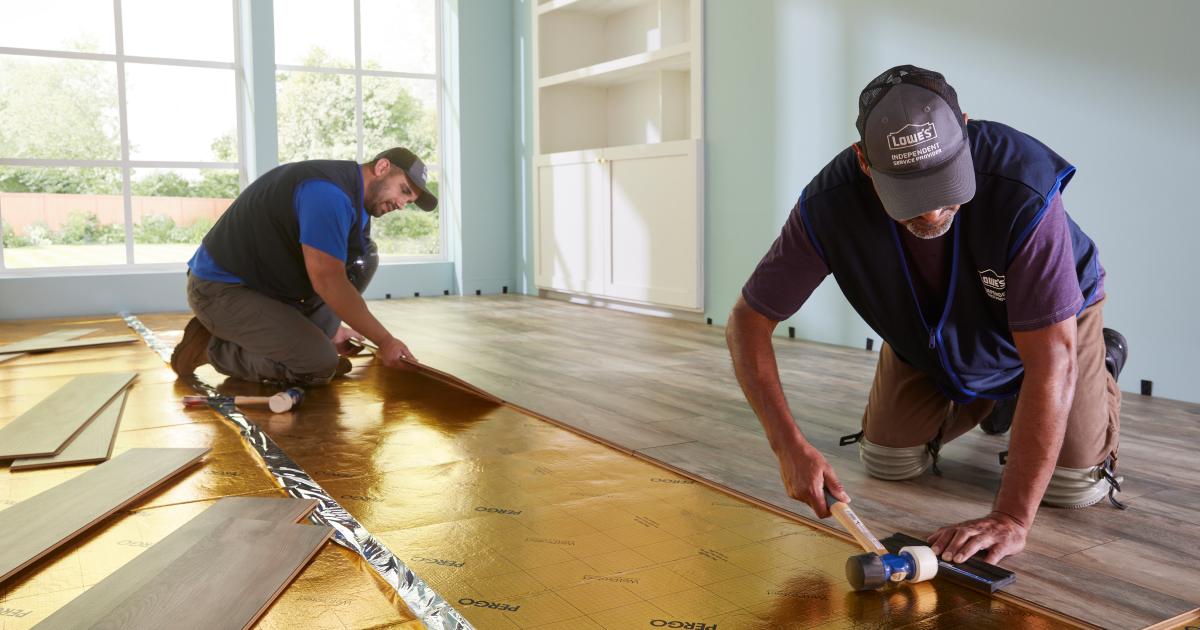
How to Find Licensed Flooring Contractors In Philadelphia
Finding a flooring contractor in Philadelphia is straightforward. Finding a licensed, insured and skilled contractor who will remain available six to eight months following the completion of the project in case something goes wrong - that's what requires time and effort. The Philadelphia metropolitan area is home to a diverse variety of flooring installation companies: established companies with decades of local experience, reputable independent operators with an actual expertise, and numerous unknown outfits that compete on prices alone, but disappear when issues arise. Bucks County, Montgomery County, Delaware County, and South Jersey all have their specific local contractor markets with the same level of quality. Here's how you navigate it without the hassle of learning it.
1. Know what the term "licensing" actually means in Pennsylvania
Pennsylvania obliges home improvement professionals, including flooring installers to be registered for registration with the Attorney General's Office under the Home Improvement Consumer Protection Act. This is in contrast to the trade license. It's an obligatory legal requirement that is not a certification of high quality. Anyone who is a flooring contractor in Philadelphia or nearby counties that is not registered with the registration is operating outside the law before they've ever touched your flooring. You can confirm registration status via the Pennsylvania Attorney General's web site prior to the time any contractor is allowed to enter your home.
2. Insurance is non-negotiable. It's also easy to Verify
General liability insurance provides protection for your home from damage if a contractor harms it during installation. Workers' compensation insurance protects you from liability if a person is injured on your property while working. The coverage must be current and verifyable. Find a flooring professional you're thinking of hiring for an insurance certificate- not their word to have it, an actual copy of the certificate bearing the name of the insurance company and its policy number. Good flooring companies have this form regularly and don't be hesitant to ask for it. Contractors who don't comply or stall on this request are telling you something crucial.
3. Local Reviews Can Tell You More than Star Ratings
A flooring company with an 4.8 rating and 200 ratings on Google is more valuable than one that has ratings of 5.0 and 11 reviews. Reviewers should read the full text as well as the stars. Look specifically for mentions of how problems were handled -Every contractor has jobs that don't go as planned, and the ones worth hiring are the ones who show up, communicated and fixed the issue. Philadelphia flooring reviews that discuss specific neighborhoods, floor styles and the results of projects are more reliable than general five-star acclaim. You can cross-reference Google, Yelp, and the BBB to see the full picture.
4. Discuss Experience Specifically with Your Floor Sort
Flooring isn't a one-time trade. The contractor that has installed LVP on 500 homes may only have a few years of experience working with nail-down solid hard wood, glue-down engineered wooden hardwood over concrete or large-format ceramic tile. If you're looking at estimates for hardwood flooring installation in Philadelphia You should ask them directly how many similar jobs that they've been able to complete in the past calendar year. You can also make contact with a recent referee. Contractors who are confident of their experiences are able to answer this question. They who deny it with generic explanations are worthy of being scrutinized more closely.
5. The Free Estimate Visit Reveals More than the Quote
Every reputable flooring specialist in Philadelphia is expected to offer a no-cost estimate, which includes a visit to your house. How they conduct their visits -- how well they inspect the subfloor, if they request information on the history of moisture, how clearly they explain their work scope you more about the business than the number they put down as they leave. A contractor who takes at least 45 minutes assessing your space with detailed questions working differently from one that goes in, takes measurements of the room, then hands you a number in 10 minutes without looking below the current surface.
6. Take three items of information from three different quotes prior to making a decision.
Three quotes is the minimum amount for any flooring installation project in Philadelphia of meaningful size. What is more important than the sum is what each quote actually comprises: subfloor preparation as well as material removal and disposal as well as baseboards, transition strips furniture relocation, and cleaning after installation. Quotes that state a simple price per square foot with no breakdown, are inviting you to discover some of the lines later halfway through the project, when there is less influence. Quotes that include itemized information allow you to compare two contractors on equal terms, rather than comparing one contractor's all-in price against another's stripped-down floor-to-floor price.
7. Neighborhood Reputation still holds real Importance in Philadelphia
The Philadelphia metro -- city neighborhoods, suburbs in the inner-ring, and counties out to Bucks and Delaware is a place that relies on relationships through ways that are relevant for trades work. A simple survey of neighbors, block clubs or local Facebook groups who they've relied on for flooring for their homes leads that no search algorithm will come up. A flooring company that is a reliable and trustworthy contractor on your block or your township has a reputation to safeguard in a manner unlike a professional from across the region does not. This referral network, which is informal, is not well-used and genuinely beneficial.
8. Look out for the Patterns unlicensed Operators Copy
Certain actions are associated with contractors who are cutting corners regarding licensing and insurance. Cash-only payments are not permitted. Reluctance to give a written contract. Quotes delivered verbally with nothing in writing. There is no physical address for business or even a number for a cell phone. The pressure to make a decision quickly before the price goes up. Subcontractors appearing on installation day who you've not met as well as who weren't mentioned during the estimate. These alone aren't 100% accurate, but the presence of the presence of two or more ought to prompt you to update your list with vetted flooring contractors.
9. Cross-County Searches Expand Your Options Without sacrificing Quality
A few of the top flooring installers who serve Philadelphia proper are based in Montgomery County, Delaware County and South Jersey and work across the entire metro region regularly. If you limit your search only to contractors from Philadelphia could be unwisely narrowing your options. What's important is their familiarity with Philadelphia's specific housing stock that includes rowhomes as well as older subfloor conditions, typical difficulties with moisture -- as opposed to which side of city line they are on. In the end, a Bucks County flooring contractor with strong Philadelphia references is worth calling.
10. A written agreement protects both Parties and Defines the Job
Before any work is started, there should be a signed agreement that defines what flooring material you are using, the company name and brand and installation method and the extent of subfloor prep, the cost schedule, project timeline, and what happens if hidden conditions like subfloor problems are discovered after the project has been completed. Flooring contractors who are licensed use contracts in accordance with standard practice. The contract isn't a signal of a lack-of-trust -- it's the document that helps keep a solid working relationship if anything unexpected comes up during the period between the start that the flooring is installed and final walkthrough. Read the best View the top nail down hardwood flooring Philadelphia for blog info including bathroom tile installation Philadelphia, flooring installation Philadelphia, cheap flooring installation Philadelphia, flooring contractors Delaware County PA, waterproof flooring installation Philadelphia, flooring installers South Jersey, nail down hardwood flooring Philadelphia, flooring estimate Philadelphia, solid hardwood floor installation Philadelphia, floor sanding and refinishing Philadelphia and more.

Comments on “20 Pro Suggestions For Choosing Floor Installation”